10 – 13 Min Read
Table of Contents
Key Takeaways
- Zero-click search is now the default: AI Overviews and SERP features are reducing clicks even when rankings remain stable.
- Search is fragmenting across platforms: Discovery now spans Google, YouTube, Reddit, and AI tools like ChatGPT and Gemini.
- Structure determines AI visibility: Schema, heading hierarchy, crawlability, and clear answer placement directly influence citation potential.
- SEO is shifting from rankings to citations: Visibility now includes AI summaries, third-party mentions, and answer-based retrieval.
- CRO determines value from traffic: Users arrive pre-informed, and conversions depend on trust, speed, and clarity at first interaction.
- Winning strategy is dual-layer optimisation: Success requires both AI visibility (being found and cited) and on-site optimisation (converting that attention into action).
Why Organic Traffic Is Falling Despite Strong Rankings
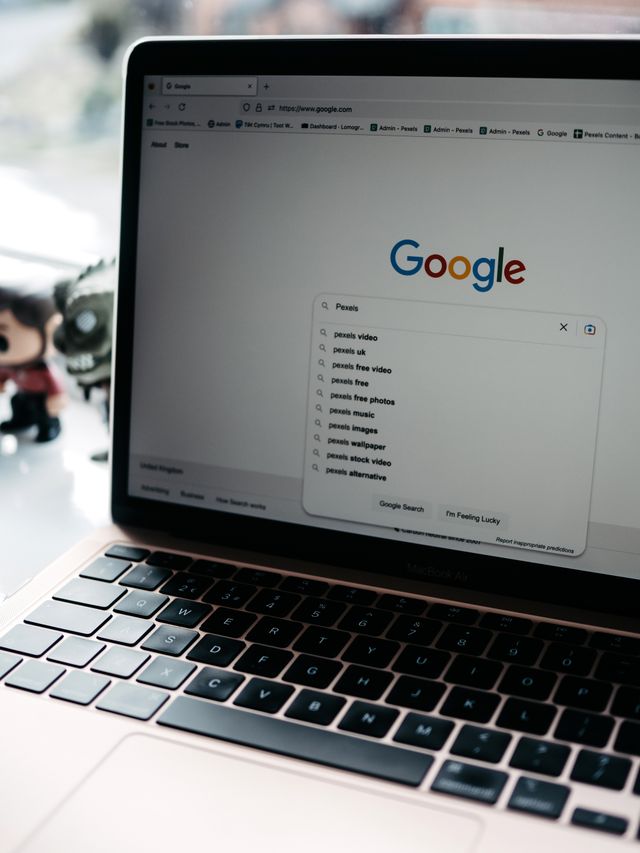
Many businesses are experiencing a 20–30% decline in organic traffic despite maintaining strong rankings, healthy backlink profiles, and no obvious SEO issues.
If you rely on organic search results for your business, you might have noticed something odd lately. Your rankings haven’t tanked. Your backlinks are fine. Yet organic traffic is down 20–30%.
It’s not just you. Across the industry, there has been a quiet but undeniable shift. Search is no longer just about ranking in Google.
The battlefield has changed, and being cited within AI-generated answers is becoming increasingly important. This is especially true as Google’s AI Overviews now appear in approximately 47% of searches worldwide [5].
While this article explores what’s changing in search today and how businesses can adapt their SEO strategy, we’ll also look beyond rankings and traffic to what really matters: ensuring that well-designed pages continue to convert visitors into customers.
The New Frontier: Global Search Is Fragmenting
For over a decade, building for SEO meant optimising primarily for search engines like Google or Bing. With Google commanding over 90% of the global search market, that approach made sense.
As of March 2026, StatCounter data shows Google still holds around 90.01% of worldwide search traffic, with Bing at 4.98% and Yahoo at 1.39% [2].
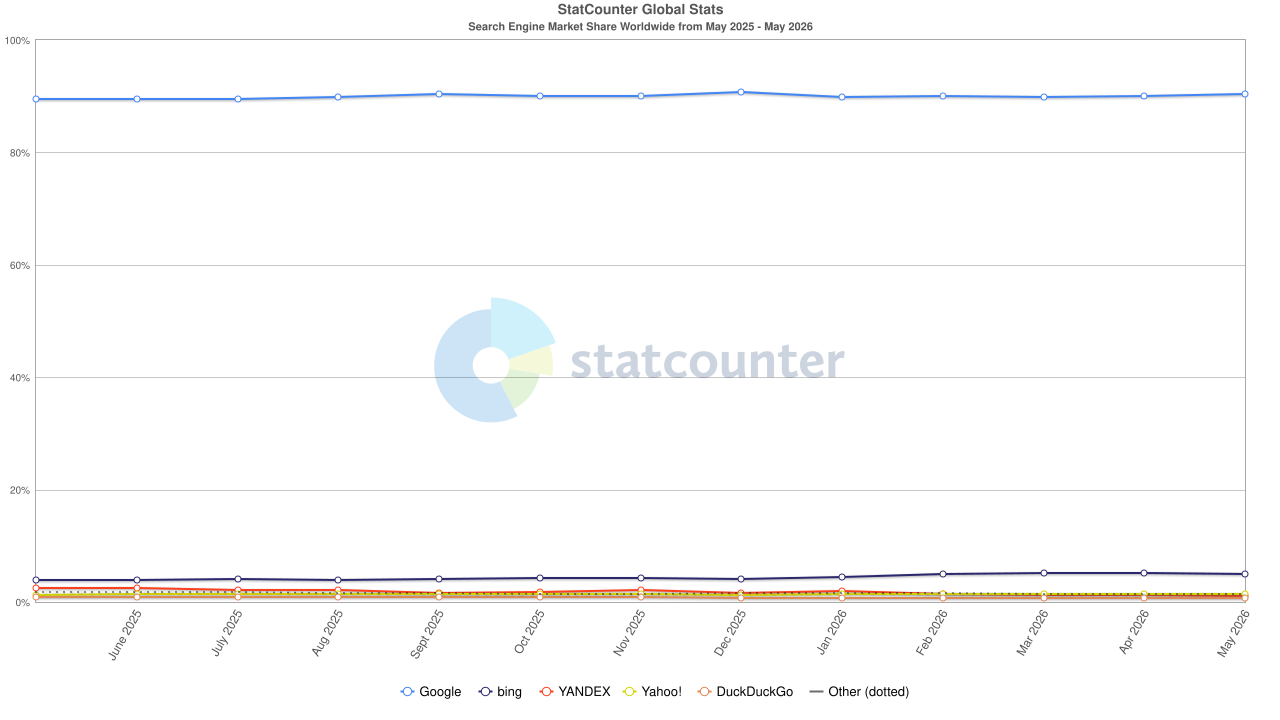
On the surface, it looks like nothing has changed. But under the bonnet, the reality is very different.
People aren’t searching less; they’re searching differently across a far more fragmented ecosystem. The rise of video platforms like YouTube is a clear example—it is now the world’s second-largest search engine, with over 2.70 billion monthly active users [3].
Discussion platforms like Reddit have also become more prominent in search results, with research indicating Reddit appears in 37% of analysed search queries [4].
Alongside this, AI platforms such as ChatGPT and Google Gemini are accelerating the shift toward answer-first behaviour, where users increasingly expect direct responses rather than lists of links.
This is why ranking in Google alone is no longer sufficient in what can be described as the “Citation Era”. The most commonly cited sources inside AI Overviews beyond Google include Reddit, Quora, and Wikipedia. For businesses, visibility now extends into independent review platforms and third-party mentions.
The takeaway: visibility is expanding beyond traditional rankings into citations, mentions, and recommendations inside AI-generated answers.
What Helps Get You Cited by AI? Your Recipe for Success
Being cited in AI-generated results depends on a mix of structure, authority signals, and technical accessibility. While some newer factors are emerging, many of the fundamentals of SEO still apply.
Here are the key elements that influence whether your content is selected and cited by AI systems:
| Factor | Why It Matters for AI Citations |
|---|---|
| Structured data (Schema markup) | Helps search engines and AI systems interpret your content accurately, including products, FAQs, services, reviews, and locations. |
| Clear heading hierarchy | Enables AI to segment content logically (H1 → H2 → H3), improving extraction of specific answers. |
| Answer placement | Placing direct answers within the first 40–60 words increases the likelihood of being surfaced in AI summaries. |
| Crawlability | Clean internal linking and accessible site structure ensure AI and search bots can properly discover and interpret your pages. |
| Core Web Vitals | Performance and responsiveness remain important signals, with faster, more stable pages more likely to be trusted in AI-driven retrieval. |
| Retrieval crawler access | Ensuring AI systems are not blocked via robots.txt or firewall rules is essential for inclusion in real-time answer generation. |
← Scroll to see full table
The Next Level Hurdle: Making Citations And Clicks Count
Even if you’re receiving mentions or citations, visibility does not automatically translate into traffic.
This is largely due to how Google now presents information, particularly through AI Overviews, which extract and summarise content directly on the results page.
In many cases, users no longer need to click through to a website to get an answer.
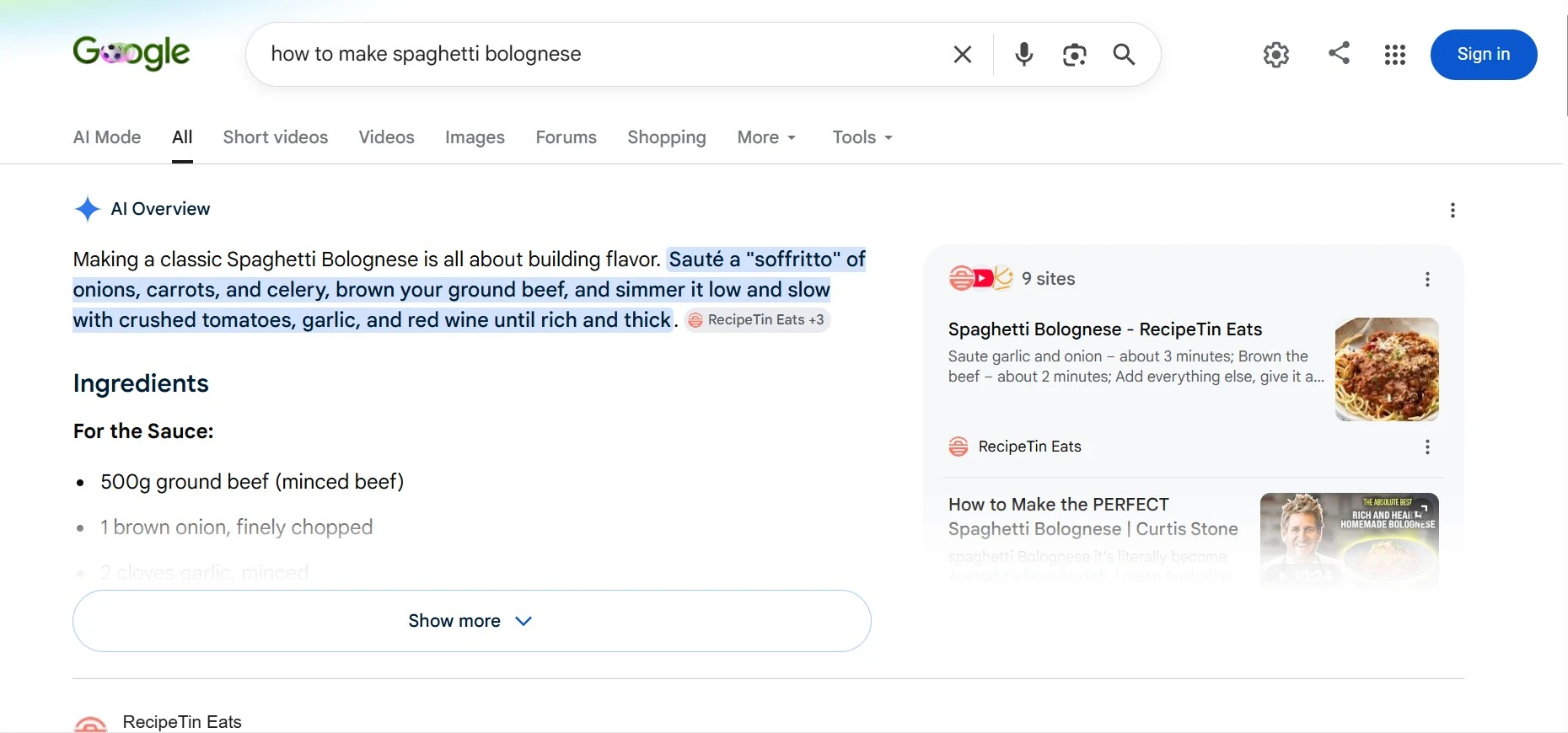
Research suggests that, due to Google’s AI Overviews feature, organic click-through rates may be declining by as much as 61% [5], primarily for informational queries.
While this is significant, AI-generated summaries can still drive traffic when they include citations or links back to source websites.
However, even when you do receive clicks, conversion is not guaranteed. Several behavioural factors are now influencing post-click engagement:
- Zero-click behaviour: Often triggered by informational or comparative queries, where users receive complete answers directly on the results page. Studies suggest over 60% of searches now end without a click [6], reducing overall organic traffic by 15%–25%.
- Higher user expectations: Users who do decide to go through to your website after arriving via AI already have a partial answer. By the time a visit has happened, they will already be well informed, meaning that they’ll visit your site quickly to see if it satisfies the search and leave if your site doesn’t immediately back up what the AI has told them.
- Impatience: If users do visit your site and it doesn’t load fast enough, they may leave again or worse still, go to a competitor’s site.
While traffic still flows, it arrives less frequently; this could be called “primed but fragile”.
In other words, users already know something about your website, product or service – they need a reason to stay, trust, and act.
This is exactly where conversion rate optimisation, combined with a good page design, can make a difference.
Conversion Rate Optimisation: The Jewel in Turning Traffic into Customers
Once a visitor lands on your site, your website has one core job: remove friction points and build trust quickly. This means identifying the highest-impact areas and ensuring each one is working effectively to support conversion.
1. Making The Most of ‘Above the Fold’
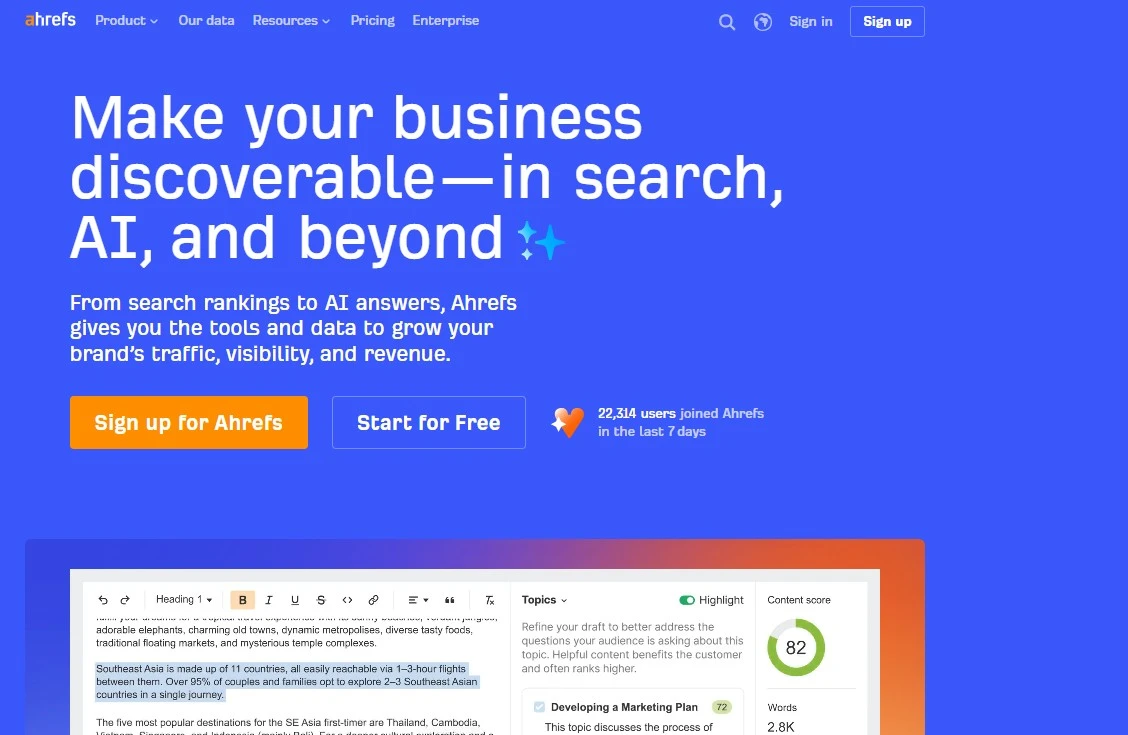
Nowadays, users decide within seconds whether they will stay or leave. Because of this, your hero section needs to:
- Reinforce the answer or product they originally came for, aligned with search intent
- Offer a clear next step to convert (e.g., button, form, or product grid)
- Avoid jargon or vague messaging that reduces clarity and trust
CRO impact: Clear messaging and optimised CTAs can increase conversion rates by 20-30% [8].
2. Add Trust Signals
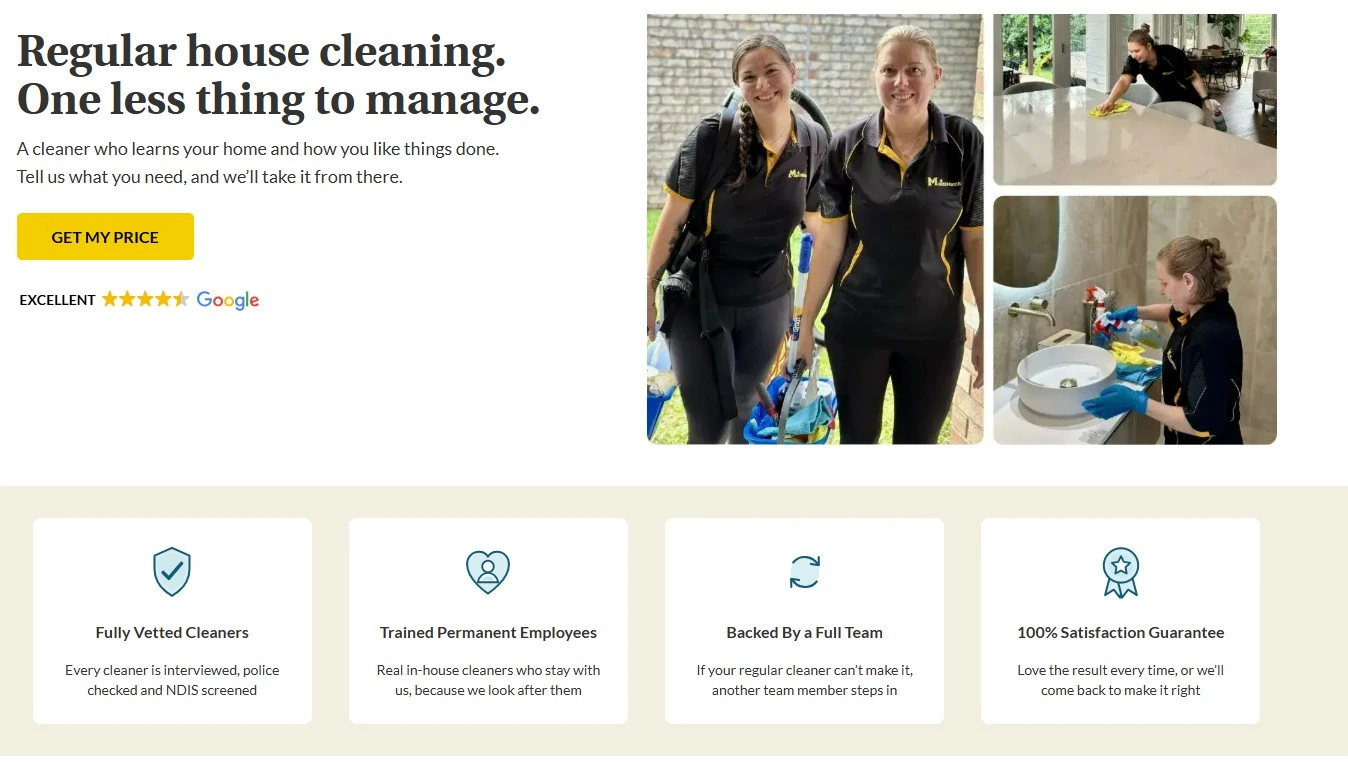
Trust signals are essential for converting visitors into leads or customers. They help reduce perceived risk and increase confidence in your brand.
Common examples include:
- Genuine customer testimonials with names and photos
- Case study snippets with measurable outcomes
- Trust badges, security indicators, guarantees, and accreditations
- Real team photography instead of stock imagery
These are not just “nice to have” elements: they directly influence whether a visitor converts or bounces.
3. Going Back To Basics With Navigation
Overly complex menus, hidden categories, and excessive clicks create friction and reduce conversion rates.
A strong navigation system should include:
- Logical menu structure (3-5 top-level items maximum)
- Persistent search functionality
- Breadcrumb navigation on key pages
- Mobile-first, thumb-friendly design
4. Page Speed as a Conversion Lever
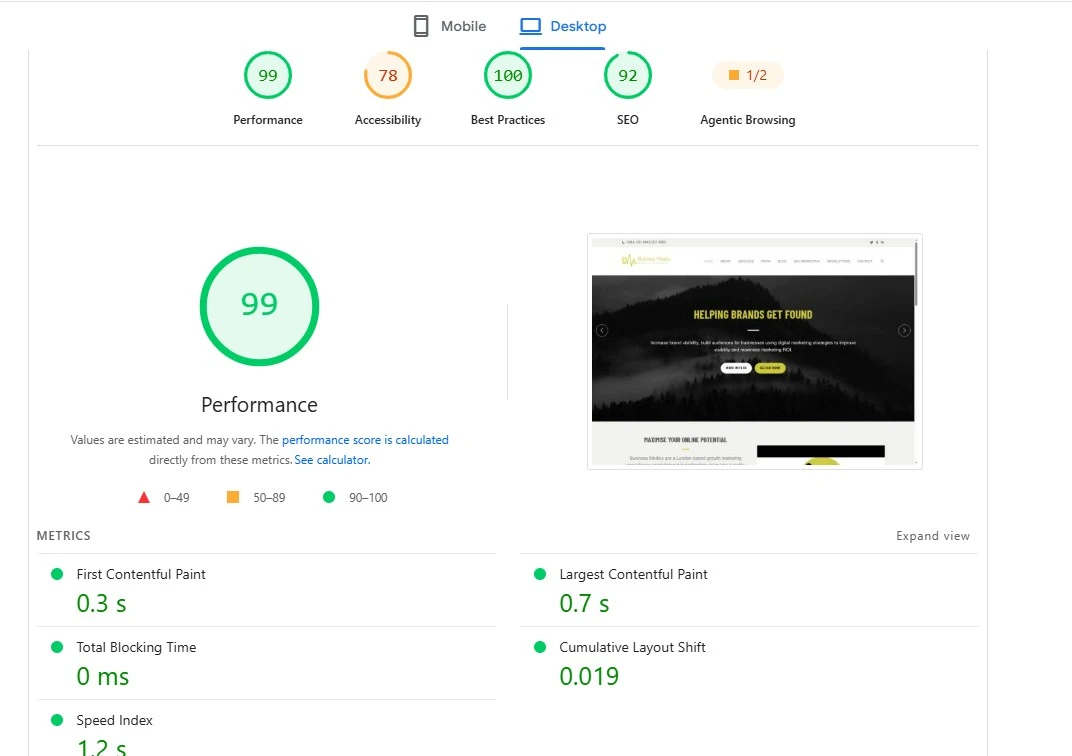
Users are increasingly impatient, especially given the speed at which information and services are delivered online today.
Research shows that even a one-second delay in load time can reduce conversions by up to 20% [7], particularly on mobile devices where tolerance for delay is lower.
This is exactly what Google’s Core Web Vitals measure, and what modern ranking and retrieval systems increasingly use as a quality signal.
Optimisation tactics such as image compression, faster hosting, reducing render-blocking scripts, and browser caching are no longer optional : they are core conversion requirements.
5. Mobile Excellence: The Non-Negotiable Standard
With over 60% of organic traffic now occurring on mobile [9], mobile optimisation is no longer optional in 2026 : it is a baseline requirement.
Despite this, mobile UX remains one of the most common under-optimised areas across websites.
If your site is cramped, slow, or difficult to navigate on mobile, you are not only losing conversions : you are losing users before they ever meaningfully engage.
A practical starting point is running your site through Google PageSpeed Insights (pagespeed.web.dev) and addressing performance and UX issues systematically.
What This All Means For Your Business
Here’s what we advise website owners:
- Over the past year, there has been a lot of volatility in Google’s search results. Stop obsessing over every ranking fluctuation. Instead, track whether your brand is being cited in AI answers.
- Audit your site for AI accessibility and extractability using the suggestions above – schema, heading structure, answer placement, crawlability. If you have an SEO team to do this job, then even better.
- Review how your website communicates trust through signals such as speed, mobile usability, and conversion-focused CTAs aligned with user intent.
- Make SEO and trust signals do the talking, so they talk to each other. The worst outcome is a beautifully designed site that AI ignores, or a technically perfect site that leaks conversions because the design confuses users.
The Bottom Line
AI has not made organic traffic obsolete. The goalposts have simply shifted.
Your website now has two distinct purposes:
- Help AI understand, trust, and cite your brand: this is SEO, structure, and content clarity.
- Convert the traffic that AI sends you: this is where performance, UX, and CRO determine outcomes.
One without the other leaks value. But when you get both right, you turn AI citations into a sustainable growth engine – best of all, without relying on expensive ads.
References
- [1] The 2026 Google Statistics Report: Search, Ads & Users — SociallyIn
- [2] Search Engine Market Share Worldwide – StatCounter Global Stats
- [3] YouTube Revenue and Usage Statistics – Business of Apps
- [4] How Does Social Media Traffic Compare to Organic and AI in 2025? – SE Ranking
- [5] AI Overviews Statistics 2026: Google Search Impact Data – SQ Magazine
- [6] Website Traffic Statistics in 2026: Key Data, Trends & Benchmarks – Readdy
- [7] Website Speed and Page Load Time Statistics For 2026 – Tenet
- [8] Website Conversion Rate — Everything You Need to Know — Perforator
- [9] Desktop vs Mobile Usage 2026 — Taboola
About the Author: Tom Walker
Tom Walker is an SEO consultant in Sydney and the owner of Business Medics Australia. With over 15 years of experience, Tom has been heavily involved in SEO campaigns for leading brands globally.
Before launching Business Medics, Tom built up his expertise at established agencies in the UK and Australia. Today, he leverages his wealth of knowledge to help small and medium-sized businesses grow online through transparent, thought-led SEO strategies.